Soumya Karlamangla, NYTimes
LOS ANGELES
EnergiesNet.com 07 20 2022
Long a leader in environmental regulation, California is considering phasing out oil drilling in the state by 2045 as part of an effort to reduce carbon emissions that contribute to global warming.
Our state’s economy isn’t heavily dependent on fossil fuels the way the economies of, say, West Virginia or Oklahoma are. But ending oil production here would still pose a major challenge for at least one pocket of the Golden State.
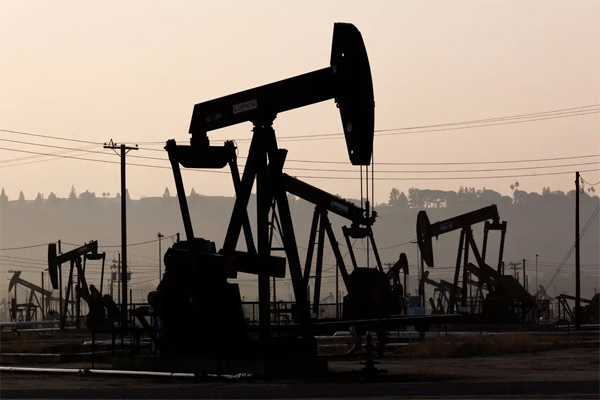
About a two-hour drive north of Los Angeles is Kern County, our very own oil country. Kern County produces 70 percent of the state’s oil. The industry there is responsible for 16,000 jobs.
And, most crucially, oil and gas generate nearly one-quarter of the county’s property tax revenue, which pays for schools, law enforcement, hospitals and other public services. “Nowhere else in California is tied to oil and gas the way we are, and we can’t replace what that brings overnight,” the county’s chief administrative officer, Ryan Alsop, told The New York Times
My colleague Brad Plumer recently traveled to Kern County and wrote about its struggle to quit oil drilling, even in a state so dedicated to reducing its carbon footprint. Kern County offers a glimpse into issues that other communities across the U.S. could face as they also try to disentangle themselves from fossil fuel income.
The problem boils down to this: If California ends oil drilling, Kern County needs another source of revenue to keep its roads paved and libraries open. Some have suggested leaning into renewables, as the county is already the state’s largest provider of wind and solar power. Local leaders are also discussing expanding industries like aerospace, manufacturing, hydrogen or biodiesel production, or even carbon capture technology.
“Politicians, businesses, environmentalists, academics — everyone’s sort of thinking hard about how can the county reinvent itself,” Brad told me. “But all of these strategies take time, and they might take longer than the county has if the state is serious about phasing out oil production so quickly.”
If Kern County waits until the tax revenue and jobs dry up, it will most likely become harder to attract new businesses. People won’t want to put down roots in a place that’s struggling to fund its parks, Police Department or social services.
There are many examples of places that have had trouble bouncing back after their main industry disappeared, including coal communities in West Virginia, and towns in the Rust Belt after the decline of heavy industry.
One model for Kern County could be Tonawanda, a town in western New York that lost millions in tax revenue after a coal plant closed in 2015. The New York State Legislature helped replace the funds, and the town is now looking to redevelop its waterfront and expand industries like tire manufacturing.
In California, Gov. Gavin Newsom has already proposed $65 million to support and retrain displaced oil and gas workers in the state, $200 million to clean up abandoned wells and $450 million to help communities diversify their economies.
It’s possible the state will commit more as the end of oil drilling draws nearer, but it remains unclear how that money should best support Kern County, Brad said.
“It does seem that the state is very much aware of this problem, and they seem sympathetic to it,” he said. “It’s just a really hard challenge, and no one really has a perfect template for what exactly you do.”

nytimes.com 07 20 2022