By David R Baker/Bloomberg News
SAN FRANCISCO
EnergiesNet.com 02 14 2022
California has become the first U.S. state to register more than a million plug-in cars, with almost one-quarter of them arriving in 2021 alone, as electric vehicle sales finally accelerate after years of slow growth.
In California’s case, reaching the 1-million milestone took 11 years.
As of Dec. 31, California drivers had registered 663,014 purely electric cars and 379,125 plug-in hybrids, which use gasoline when not running on electricity. Of those, 183,933 battery-electric cars and 63,141 plug-in hybrids were bought or leased in 2021, according to data from the California Energy Commission. Together, they accounted for more than 12% of all light-duty vehicles sold in the state last year.
Electric vehicle sales in several key markets around the world are now showing rapid growth, as the number of available models expands and consumers become comfortable with the technology. BloombergNEF estimates that the inflection point where EV sales take off can happen once they represent at least 10% of new car sales, with China and Europe already passing that mark.
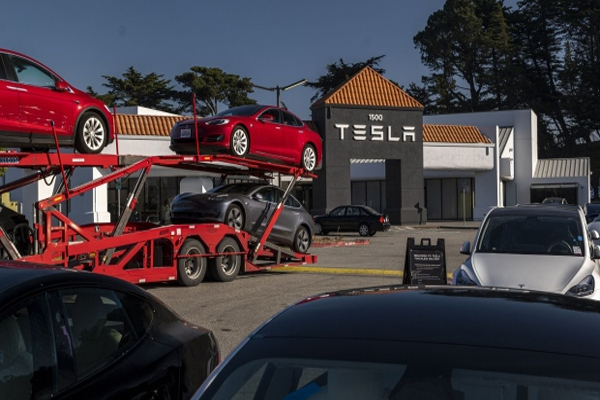
The first of the current wave of plug-ins — the Nissan Leaf and the Chevrolet Volt — began deliveries in California at the end of 2010 in response to a state regulation forcing automakers to sell zero-emission vehicles in the state or buy credits from companies that did. Tesla started building its Model S electric sedan in the San Francisco Bay area in 2012 and soon dominated California’s EV sales, making almost 75% of all battery-electric cars sold in the state last year. And the state’s eco-conscious, tech-obsessed population proved the perfect U.S. market for EVs, which at first encountered indifference or outright hostility in some parts of the country. By the end of September, California had more than eight times as many battery electric and plug-in hybrid cars as the next closest state, Florida, according to data from an auto industry trade group.
California Governor Gavin Newsom in 2020 signed an executive order to end sales of new, gasoline-powered vehicles in the state by 2035. The state also offers drivers rebates to buy many battery electric or plug-in hybrid models. And in a land renowned for bad traffic, California EV drivers get a coveted perk — a decal that allows them to drive solo in carpool lanes.
bloomberg.com 02 10 2022